
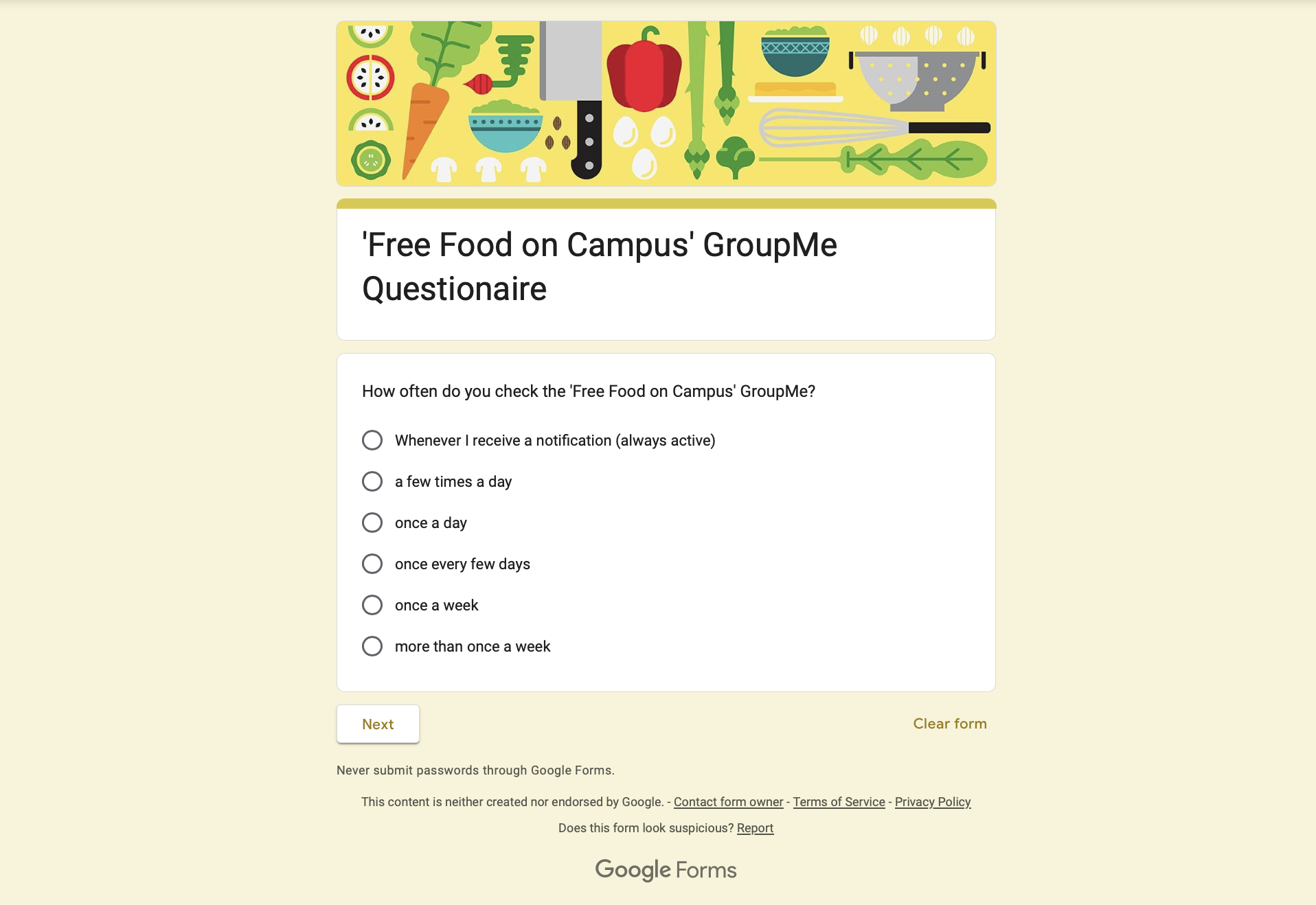
At Georgetown, the "Free Food on Campus" GroupMe was the go-to way to find leftover food, but its 2,000 members were drowning in bots, spam, and drama instead of food. To learn what students actually needed, I surveyed the group and got 287 responses in one week. 75% had gotten food through the GroupMe in the last month, and many described real food insecurity. But 76% of the food shared was perishable, and 93% of students who missed out said timing was the barrier because the food was gone before they could get there. The system ran entirely on self-motivation, with no structure to get food to the people who needed it most.
The gap
My role
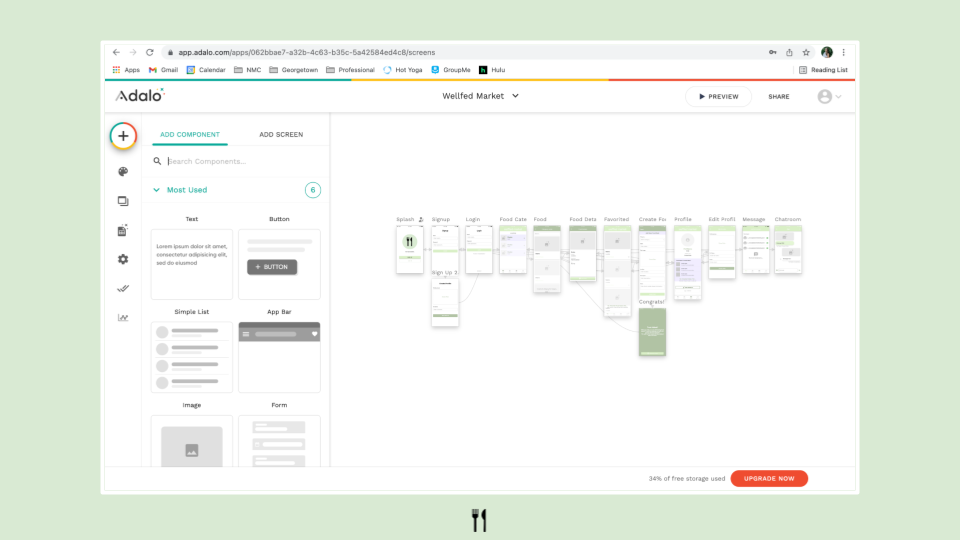
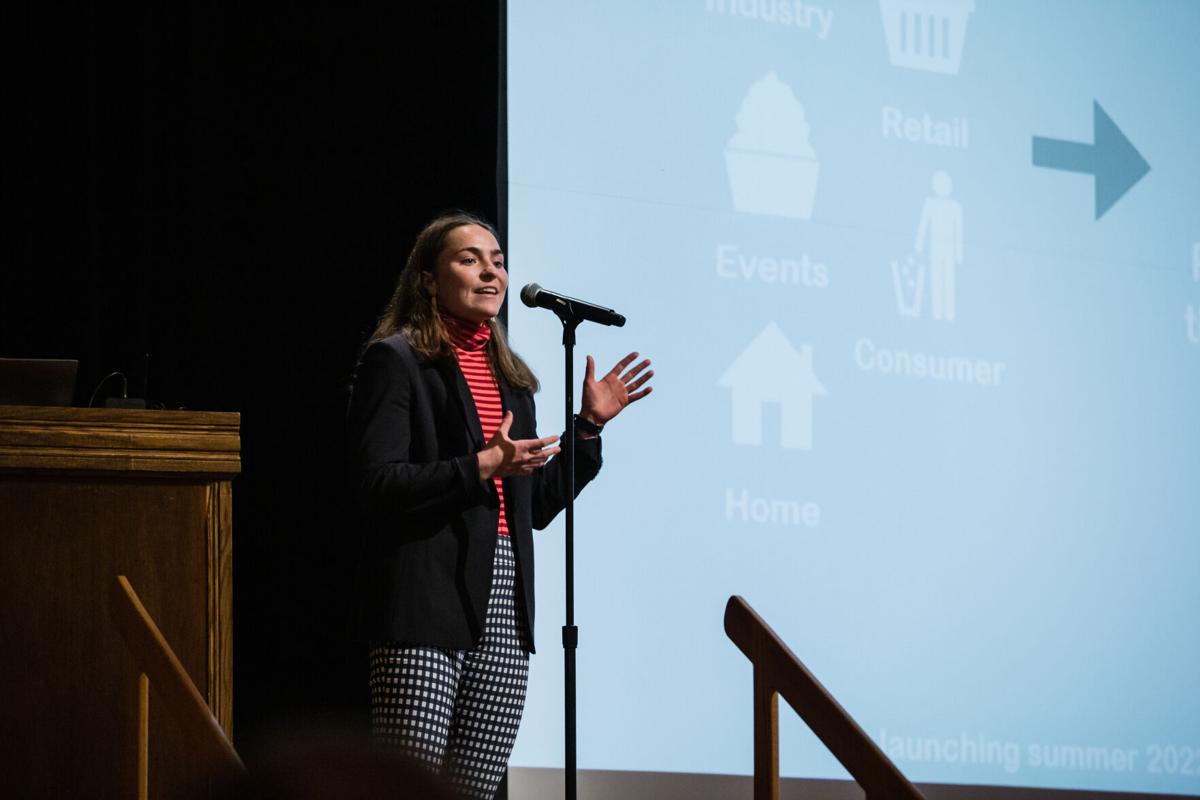
As founder, I built the iOS food-sharing app end to end. I took Wellfed Market through Georgetown McDonough School of Business's Student Launch Incubator (SLI), hosted by Ben Zimmerman and Amy Millman and advised by Laine Clark and Lisa Friedlander. I then partnered with local nonprofits, small businesses, student groups, incubators and accelerators, and government groups to source and distribute local food.
The key decisions
I started with research instead of code. Surveying the GroupMe showed me why students were missing food, not just that they were. When Georgetown learned about my research, the university requested my data and later published it.
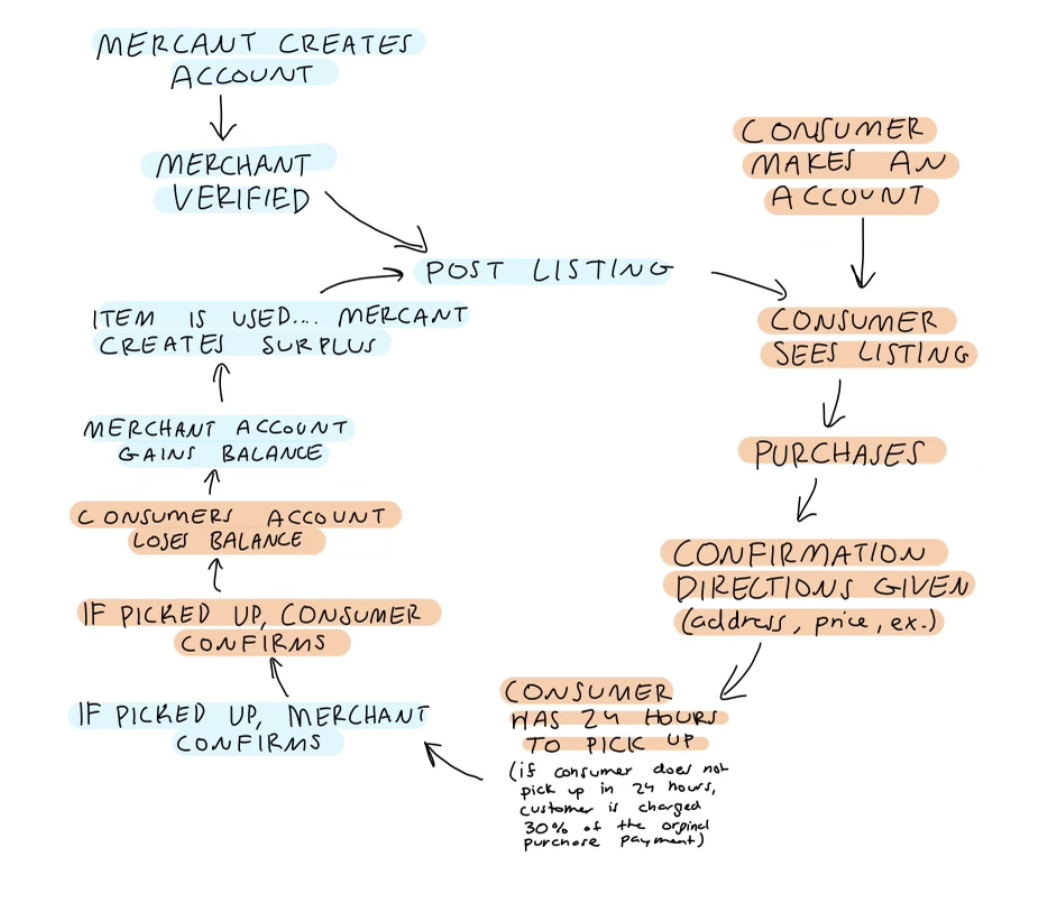
I built a partnership hub instead of a closed platform. 78% of GroupMe users never posted, so a handful of students were feeding everyone. Wellfed Market routes sourcing and distribution through real community relationships rather than relying on individuals to post. It's dedicated to people like my Nana: resourceful chefs who always bring an extra seat to the table.
What I built
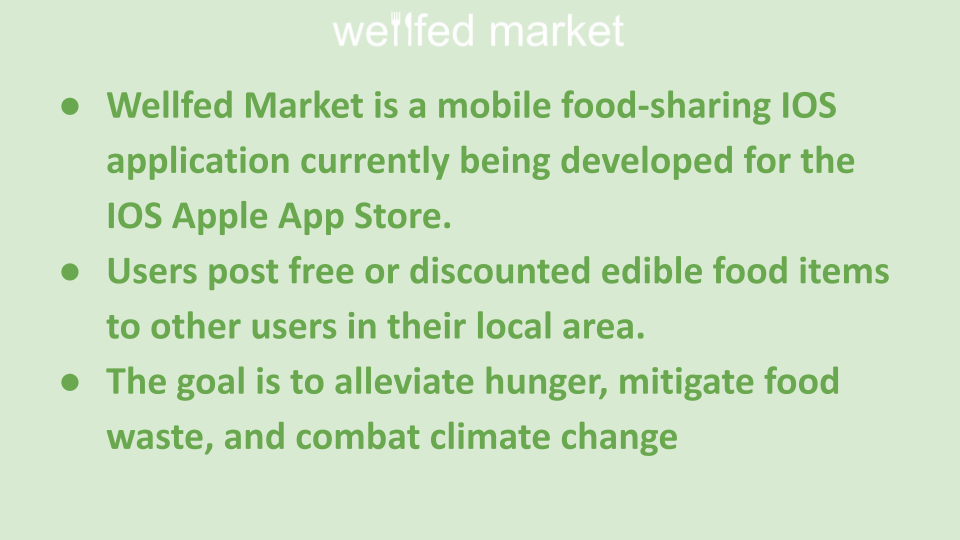
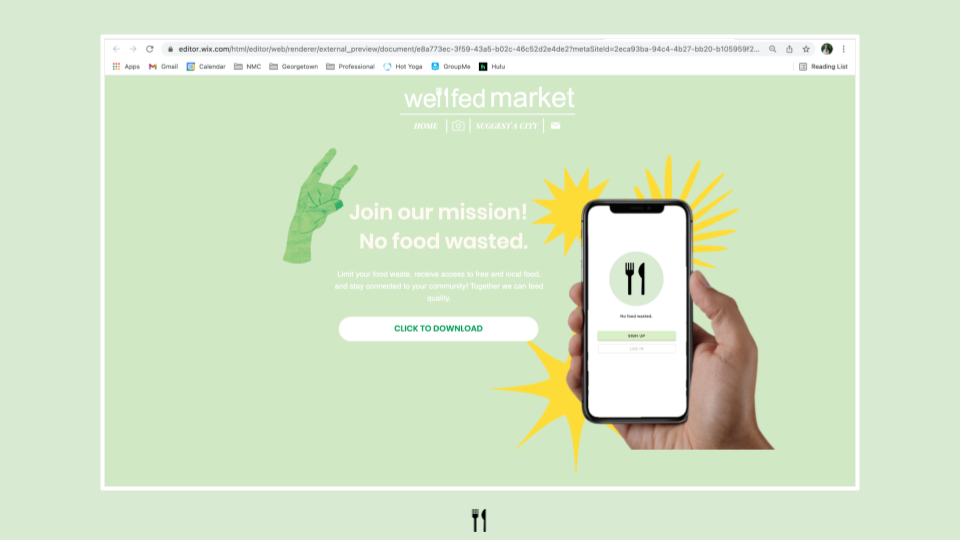
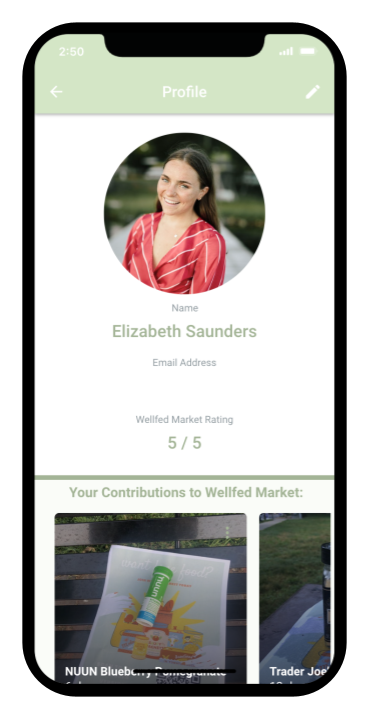
A mobile iOS app connecting students and neighbors to excess food
Nonprofit and small business partnerships
Student group and incubator/accelerator channels
Government partnerships for food sourcing
Outcome
287
survey responses from a 2,000-student GroupMe in one week
75%
of students surveyed got food through the GroupMe in the last month
69%
of students who got food used the GroupMe to find affordable food
1
Georgetown University Earth Commons GREEN Award
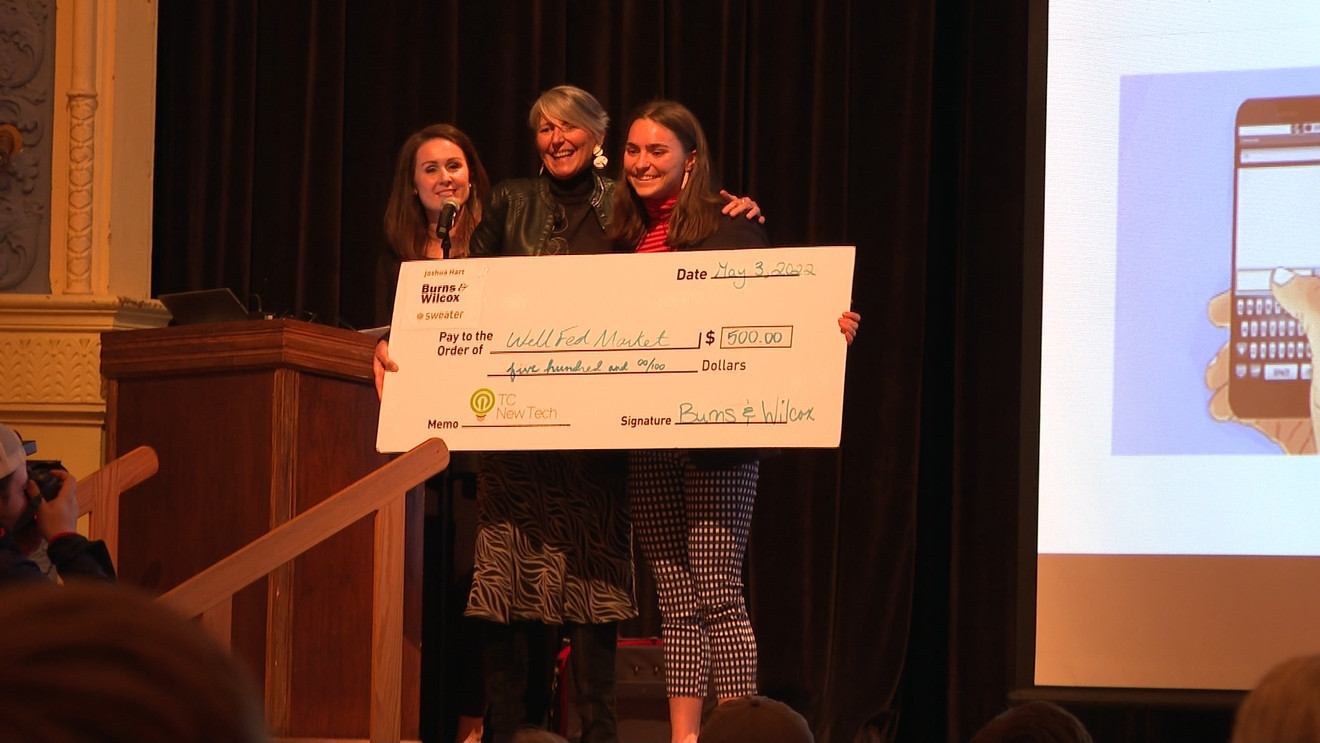
$500
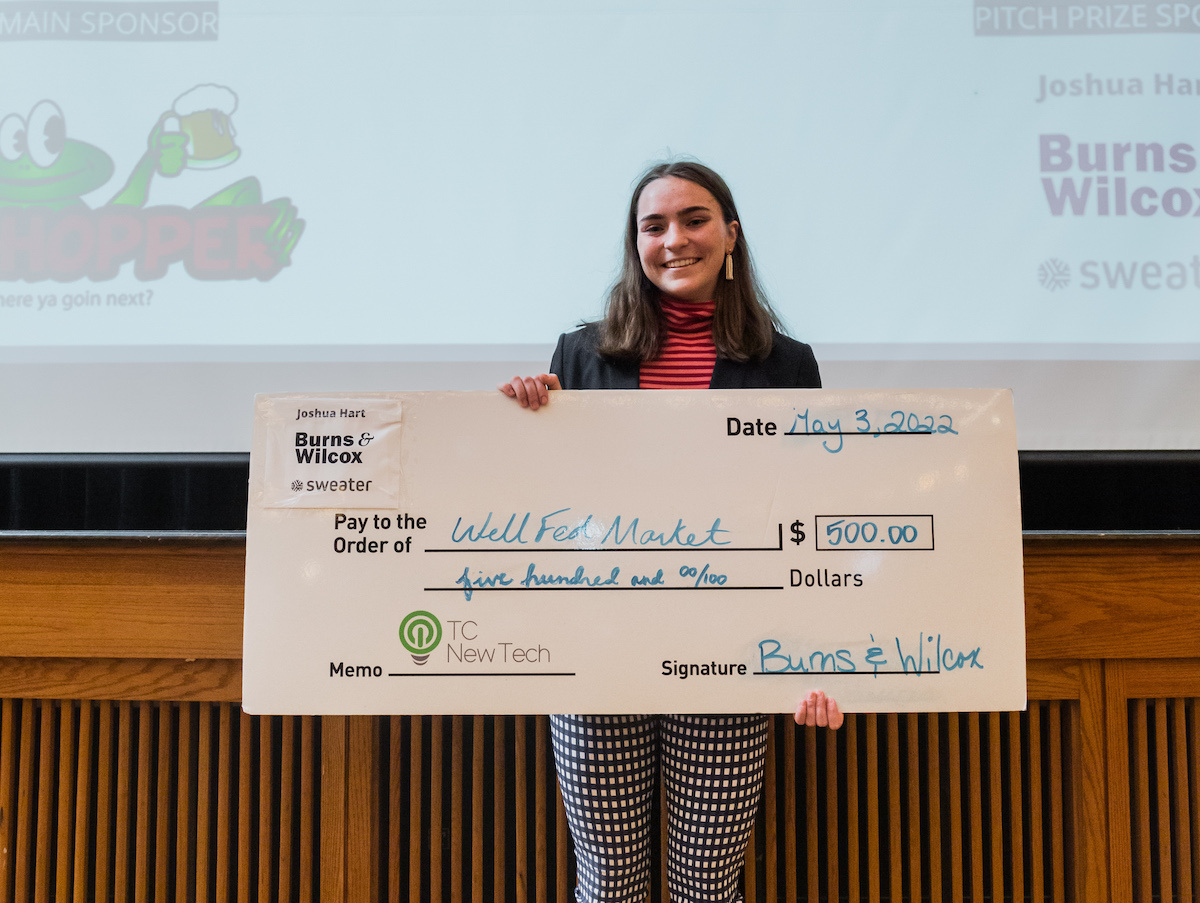
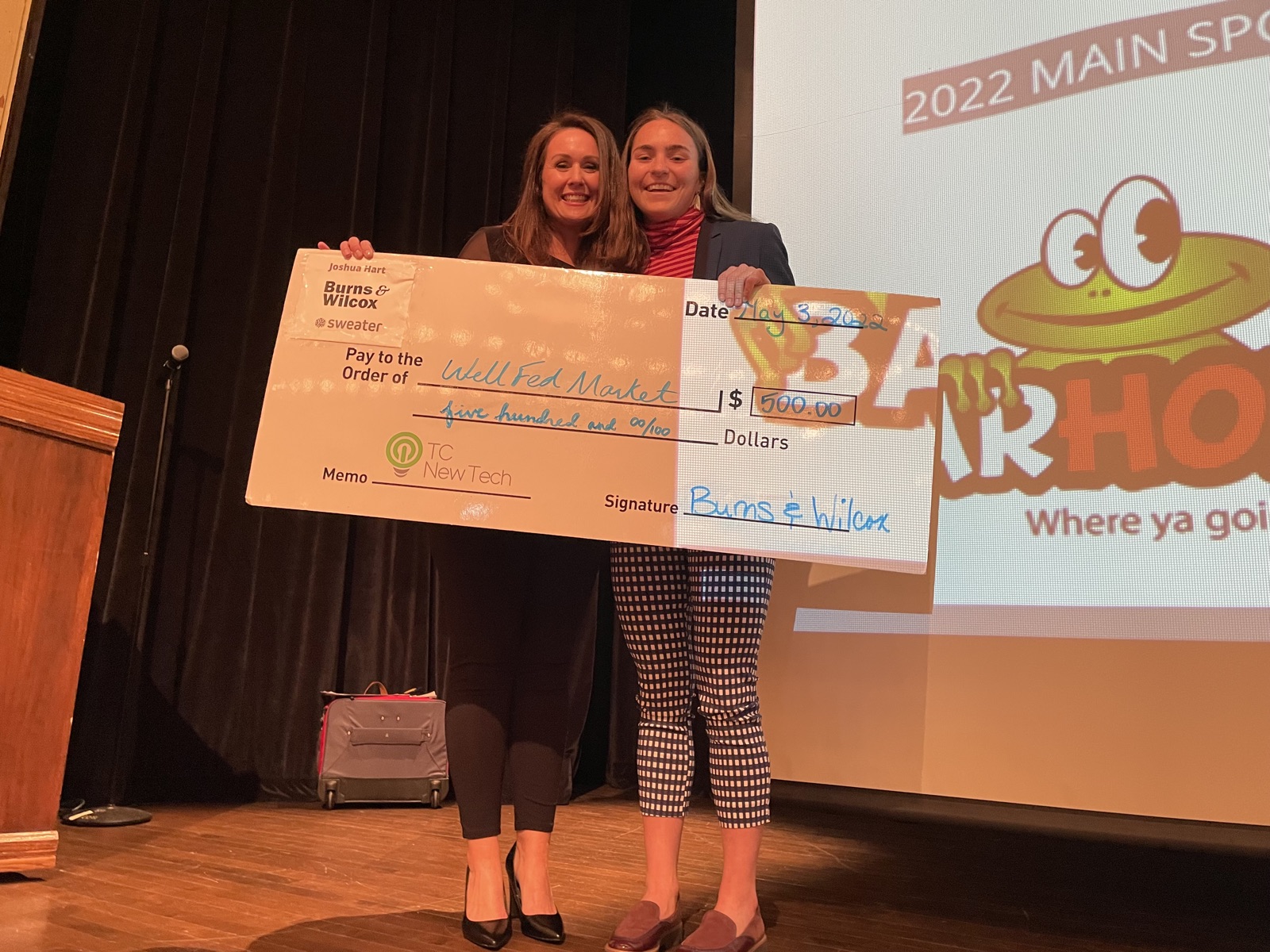
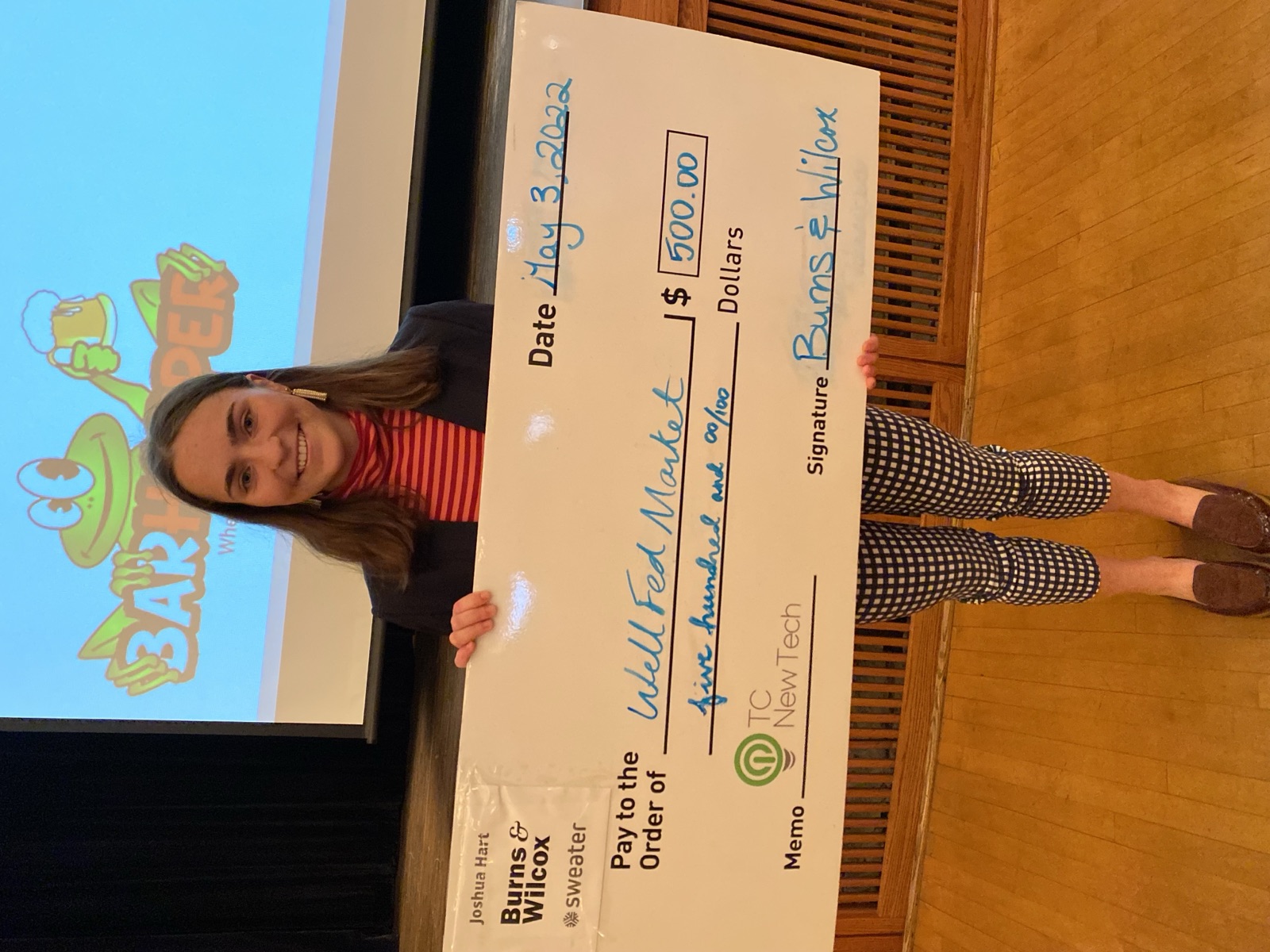
won at the TCNewTech pitch competition
2
Georgetown adoptions: the university published my research data, and Students Advancing Food Equity (SAFE) took on the app as its own